




Sleep Apnea: Symptoms, Effects, and Support Options
What will you learn?
- What is obstructive sleep apnea, and how widespread is this problem in Poland?
Obstructive sleep apnea is a disorder in which, during sleep, the upper airway periodically narrows or collapses, causing breathing to stop or become noticeably shallow. This results in drops in oxygenation, micro-awakenings, and fragmented sleep; in Poland, the problem may affect approximately 2.6 million people, although many cases remain undiagnosed.
- What symptoms and risk factors most commonly indicate sleep apnea?
Sleep apnea most often causes both nighttime and daytime symptoms, such as loud, regular snoring, morning fatigue despite a full night’s sleep, daytime sleepiness, and difficulty concentrating. The risk increases particularly with being overweight or obese, a larger neck circumference, older age, alcohol consumption, sleep medications, and low physical activity.
- What effects can untreated sleep apnea have on health and daily functioning?
Untreated sleep apnea puts a strain on the heart, blood vessels, metabolism, and nervous system, as the body repeatedly experiences hypoxia and a stress response throughout the night. This can contribute to high blood pressure, heart rhythm disorders, heart attack, stroke, poorer glucose control, as well as impaired memory, mood, reflexes, and driving safety.
- What does the standard treatment for sleep apnea look like, and where do hydrogen inhalations fit into this?
The basis for treating moderate and severe obstructive sleep apnea is usually CPAP, and in certain cases, the following is also used BiPAP, oral appliances, positional therapy, weight loss, or surgical treatment. Hydrogen inhalation should be considered only as a means of supporting sleep quality and recovery, as current research does not confirm its role as a substitute for standard therapy.
Sleep apnea is a condition that can go undiagnosed for years, despite clear symptoms and real health consequences. In this article, we explain how to recognize it, what tests to undergo, and what the standard treatment methods and support options are.
What do you find in the article?
Sleep Apnea in Poland: What It Is and How Widespread the Problem Is
Sleep apnea It is a sleep-related breathing disorder characterized by repeated interruptions in airflow or a marked shallowing of breathing. In practice, this article focuses primarily on the most common form, namely obstructive sleep apnea. It is this condition that accounts for the majority of diagnoses and is most often responsible for chronic snoring, morning fatigue, and daytime sleepiness.
The most common form: obstructive sleep apnea
Obstructive sleep apnea occurs when the upper airway periodically collapses or narrows during sleep. Although the chest and diaphragm try to breathe, air does not flow properly. This results in brief drops in oxygen levels, micro-awakenings, and disruption of the natural sleep pattern. Often, the person affected does not even remember these episodes, but wakes up in the morning feeling as if they had not slept long enough.
This is an important distinction, because not every problem with nighttime breathing has the same underlying cause. There are also rarer forms, such as central apnea, which is more closely related to a disorder in the nervous system’s control of breathing. In most adult patients suspected of having sleep apnea However, it is precisely the obstructive form that is at issue.
The Scale of the Problem and Undiagnosed Cases in Poland
The scale of this phenomenon in Poland is significant. Estimates put the figure at approximately 2.6 million people with obstructive sleep apnea. This figure shows that this is not a niche problem limited to a few sleep clinics, but a real health challenge affecting a large portion of the adult population.
At the same time, many people still haven’t been diagnosed. In practice, this means that for years, patients attribute their snoring to stress, age, or overwork. Their partner may notice pauses in breathing, but the issue is often downplayed until there is noticeable daytime sleepiness, blood pressure problems, or a decline in physical performance. This is precisely why sleep apnea is one of the most commonly undiagnosed conditions.
Data from 2010–2019 show an increase in the number of polysomnography tests performed and in reimbursed positive airway pressure therapy. This is a positive sign, as it indicates higher detection rates and growing access to treatment. However, it should be noted that access to diagnostics and treatment is still not equal across the country. In some regions, the number of diagnoses and tests per 100,000 residents was significantly higher than in others, suggesting that place of residence continues to influence the speed at which a diagnosis is made.
From the patient’s perspective, the conclusion is simple: if the symptoms match the clinical picture of the disease, it’s not worth waiting for the problem to „go away on its own.” In the case of a disorder as common as sleep apnea Early diagnosis is important not only for a good night's sleep, but also for heart health, metabolism, and safety at work or behind the wheel.
Symptoms of Sleep Apnea and the Most Important Risk Factors
The symptoms aren’t always obvious to the patient. Very often, it’s a partner or family member who first raises the alarm, since they’re the ones who hear loud snoring, pauses in breathing, and sudden gasps for air. During the day, on the other hand, the effects of poor-quality sleep dominate: low energy, trouble concentrating, and irritability. That’s why it’s important to look at the symptoms from two perspectives: nighttime and daytime.
Nighttime symptoms noticed by a partner
The most common symptom is loud, regular snoring, which is sometimes interrupted by a few seconds of silence. This silence does not indicate peaceful sleep. Often, it is actually an episode of apnea, followed by a sudden inhalation, a snort, or a brief awakening. Some people also experience noticeable body movements, nighttime restlessness, a dry mouth upon waking, and frequent urination at night.
A typical episode looks like this: snoring intensifies, breathing stops for a moment, and is followed by a sudden „gasp” for air. If a partner observes such episodes several times a night or regularly over many weeks, this is a very strong warning sign. The episodes themselves can last from a few to several dozen seconds and recur multiple times during a single hour of sleep.
Daytime symptoms noticeable at work and in daily life
During the day, sleep apnea most often manifests itself through morning fatigue despite a full night's sleep. You might sleep 7–8 hours and still wake up feeling like you haven't had enough sleep. On top of that, you experience excessive daytime sleepiness—dozing off while watching TV, reading, working at the computer, and sometimes even while talking or driving.
Memory problems, difficulty concentrating, slower reaction times, and reduced work performance are also common. A person with untreated sleep apnea is more likely to make mistakes, has a lower tolerance for stress, and struggles more with tasks that require sustained concentration. Morning headaches, irritability, and low mood also occur. For many patients, it is these symptoms—rather than snoring itself—that become a real problem in their daily lives.
Who is most at risk?
The most important risk factor remains Overweight and Obesity. The greater the body weight, the greater the likelihood of airway narrowing during sleep. Neck circumference is also a factor. In men, a circumference greater than approximately 43 cm is associated with a higher risk of obstruction.
The risk also increases with age. In men, it rises significantly after age 40, and in women, after menopause. This does not mean that younger people are safe, but statistically, these are the groups that require greater vigilance. Additionally, alcohol, sleeping pills, and sedatives, as well as low physical activity, play a role. Alcohol and sleeping pills relax the throat muscles, making it easier for the airways to collapse. In turn, low physical activity contributes to weight gain and impairs overall physical fitness.
If you have several risk factors—for example, if you’re overweight, snore loudly, are over 40, and wake up feeling tired—the likelihood of a problem increases significantly. In such a situation, the suspicion that it’s a case of sleep apnea, it is warranted, and it is worth proceeding with diagnostic testing.
⚠️ Don't ignore drowsiness while driving: Excessive daytime sleepiness increases the risk of an accident. If you find yourself dozing off while driving or working, seek medical evaluation immediately.
Diagnosis: When to Suspect Sleep Apnea and What Tests to Perform
It’s a good idea to see a doctor if your symptoms recur regularly, rather than just after a single bad night’s sleep. Three situations are particularly important: your partner notices pauses in your breathing, you experience significant daytime sleepiness, or you have coexisting high blood pressure, are overweight, or have difficulty concentrating. Diagnosis isn’t just about evaluating snoring itself. A sleep study is needed to show what is actually happening with your breathing at night.
What does the AHI index mean?
The key parameter is AHI, which is the number of episodes of apnea and hypopnea per hour of sleep. It is a simple measure that helps determine the severity of the condition. A diagnosis is made when there are at least 5 episodes per hour. If the result exceeds 30 episodes per hour, this is referred to as a severe form of the disease.
A high AHI means that your breathing becomes irregular multiple times throughout the night. Each such episode results in reduced oxygenation and micro-awakenings, even if you don’t remember them. The higher the score, the greater the risk of daytime sleepiness, high blood pressure, heart rhythm disorders, and poorer recovery. That’s why the AHI isn’t just a „number on a report,” but a real indicator of the strain on your body.
Polysomnography, polygraphy, and pulse oximetry
The gold standard The only option left is an overnight polysomnography test performed at a sleep lab. This is the most accurate test because it simultaneously records breathing, oxygen saturation, heart function, body movements, and sleep stages. This allows the doctor to see not only the number of episodes but also their impact on sleep quality and the body’s oxygenation.
Home sleep monitoring is a simpler test and, in many cases, very useful. It typically involves recording airflow, respiratory effort, oxygen saturation, and heart rate, but it does not provide as complete a picture of sleep architecture as polysomnography. Therefore, it can be a good supplementary option, especially when there is a high suspicion of obstructive sleep apnea, but it does not always replace a full examination.
Nocturnal pulse oximetry plays an even more limited role. It can detect drops in oxygen saturation and suggest a problem, but it is not sufficient on its own for a complete diagnosis. Treat it instead as a screening or supplementary tool, rather than the basis for a definitive diagnosis.
What is the diagnostic process like?
Most often, the entire process consists of just a few steps.
- Do you notice any of these symptoms: snoring, pauses in breathing, morning fatigue, or drowsiness?.
- Make an appointment with your primary care physician, an ENT specialist, a pulmonologist, or a sleep disorders clinic.
- The doctor assesses risk factors and comorbidities and refers the patient for a sleep study.
- You perform polysomnography or, in certain cases, polygraphy.
- Based on the test results, including the AHI, a diagnosis is made and a treatment plan is established.
It’s a good idea to prepare for your appointment in detail. Make a note of how often you snore, whether your partner has noticed any pauses in your breathing, whether you sometimes fall asleep during the day, and whether you have headaches in the morning. This information helps your doctor assess the severity of the problem more quickly and choose the appropriate test.
💡 AHI indicates the severity of the condition: The diagnosis is made when there are 5 or more episodes per hour of sleep. An AHI above 30 indicates severe apnea and usually requires prompt treatment.
What are the consequences of untreated sleep apnea?
Untreated sleep apnea It’s not limited to snoring and feeling unwell in the morning. It’s a chronic strain on the body caused by repeated episodes of hypoxia, awakenings, and activation of the sympathetic nervous system—the same system responsible for the stress response. If this condition persists for months or years, it affects the heart, blood vessels, metabolism, and cognitive function.
Effects on the Heart and Circulatory System
The most alarming effects are cardiovascular. The National Health Fund notes that people with sleep apnea may experience cardiovascular problems as early as 3 times more often. These primarily include high blood pressure, heart rhythm disorders, heart attack, and stroke.
The mechanism is quite simple. When breathing stops repeatedly during the night, oxygen levels drop, and the body responds by releasing stress hormones. Heart rate and blood pressure rise, blood vessels are under greater strain, and the heart is unable to recover properly. If such spikes occur dozens or even hundreds of times throughout the night, the risk of chronic cardiovascular problems increases significantly.
This also explains why, in some patients, difficult-to-control hypertension turns out to be linked to undiagnosed sleep apnea. Treating high blood pressure alone, without addressing the underlying cause of nocturnal breathing disorders, is often insufficient in such cases.
Metabolic Disorders and the Risk of Diabetes
The second important area is metabolic disorders. Recurrent episodes of hypoxia and poor sleep quality affect glucose metabolism, insulin sensitivity, and appetite control. In practice, this increases the risk of impaired glucose tolerance and the development of type 2 diabetes.
It works both ways. Being overweight increases the risk of sleep apnea, and untreated sleep apnea makes it harder to control body weight and metabolism. The patient sleeps worse, feels more tired, has less motivation to exercise, and the body has a harder time regulating hunger and satiety. As a result, a vicious cycle develops that is difficult to break without simultaneously addressing sleep and lifestyle.
Focus, Mood, and Recovery
Neurological and functional effects are often underestimated, even though they are the factors that most rapidly impair quality of life. Untreated sleep apnea reduces concentration, working memory, and reaction time. If you work at a computer, drive a car, operate machinery, or make decisions under time pressure, the significance of these symptoms is very practical.
On top of that, you may experience a lower mood, increased irritability, and poorer recovery after exercise. Sleep ceases to fulfill its basic restorative function. The muscles, nervous system, and endocrine system lack the stable conditions needed for recovery. Even if you technically sleep long enough, the quality of that sleep is too poor for your body to regain full functionality.
That is why diagnosis and treatment are important not only for patients with severe symptoms. Simply improving sleep quality can lead to better performance at work, less drowsiness, and greater safety in everyday life.
Treatment for Sleep Apnea: CPAP, Devices, and Lifestyle Changes
Treatment is tailored to the severity of the condition, the structure of the airways, body weight, and comorbidities. There is no one-size-fits-all solution, but there are methods whose effectiveness has been most thoroughly proven. In moderate and severe obstructive sleep apnea, positive airway pressure therapy is usually the mainstay of treatment.
When CPAP Is the Cornerstone of Treatment
CPAP It is the best-documented and most effective treatment method, especially for moderate and severe OSAS. The device delivers air at a constant positive pressure through a mask, preventing the airways from collapsing during sleep. Simply put: CPAP does not „treat the throat,” but mechanically maintains breathing at night, thereby eliminating episodes of apnea.
A properly selected CPAP therapy often results in a noticeable improvement within a short period of time. The patient snores less, wakes up less often at night, feels more rested in the morning, and experiences less daytime sleepiness. However, effectiveness depends on regular use. If the device is sitting next to the bed but isn’t used most nights, the effect will be limited.
In certain cases, the following is also used: BiPAP, which is a device that delivers two levels of pressure: a higher level during inhalation and a lower level during exhalation. This approach can be helpful when a standard CPAP is poorly tolerated or when the clinical situation requires more advanced respiratory support.
Alternatives for Selected Patients
Not every patient requires the same treatment plan. In milder forms or in carefully selected cases, one may consider oral appliances, which move the lower jaw forward and help keep the airway open. This solution is not a substitute for CPAP for everyone, but it can be useful when the condition is less severe or when the structure of the mouth is conducive to this type of therapy.
It is also important that lifestyle change. Weight loss can significantly reduce the severity of symptoms. Limiting alcohol intake, especially in the evening, reduces the risk of airway collapse. Quitting smoking and increasing physical activity also help. For some people, positional therapy—that is, avoiding sleeping on one’s back—is considered if episodes occur most frequently in that position.
In certain cases, surgical treatment is used, for example, when there are significant anatomical obstructions within the nose, palate, or throat. However, surgery is not a one-size-fits-all solution for every patient who snores. The decision should be based on a thorough assessment of the cause of the obstruction.
Reimbursement from the National Health Fund and Access to Treatment
In Poland, CPAP therapy is reimbursed by the National Health Fund (NFZ), which effectively lowers the barrier to access for many patients. However, unequal access to diagnostics and treatment across regions remains a problem. In practice, this means that in one province, you can undergo testing and begin treatment more quickly, while in another, wait times may be significantly longer.
That is why it is important to take a systematic approach: first, confirm the diagnosis; then, discuss the best treatment method with your doctor; and finally, ensure that you follow the treatment regimen consistently. Simply purchasing a device without proper evaluation does not solve the problem, just as lifestyle changes alone are not always sufficient when the AHI is high. Effective treatment usually involves a combination of the right medical approach and consistent management of risk factors.
Hydrogen Inhalation as an Adjuvant Therapy: Current Research, Safety, and Limitations
Hydrogen inhalation should be discussed with caution and precision. Based on current knowledge, it cannot be considered a first-line treatment for obstructive sleep apnea. However, we can speak of potential support, particularly in terms of sleep quality, recovery, and mechanisms related to oxidative stress. This is an important distinction: support does not mean a substitute for diagnosis, CPAP, or other standard methods.
What results do current studies show?
The most interesting clinical data come from a randomized trial involving 66 people with sleep disorders. In the group that underwent 7 days of inhalation of a hydrogen-oxygen mixture, a significant improvement in total sleep time and sleep efficiency was observed, along with a reduction in the duration of awakenings. Selected scales assessing sleep quality and mood also improved, although no significant changes were observed in terms of anxiety.
This is a promising result, but it must be interpreted fairly. The study focused on sleep disorders in general, not on the long-term treatment of moderate or severe OSAS. Therefore, it cannot be concluded on this basis that hydrogen inhalation is a substitute for CPAP or that it reduces the AHI to the same extent as standard therapy. However, it can be concluded that there are grounds for further research into the effects of hydrogen on sleep parameters and recovery.
From the patient’s perspective, the practical takeaway is this: if you’re interested in additional support, it’s worth considering hydrogen inhalation as a complementary treatment rather than the primary treatment for sleep apnea.
Possible mechanisms of action of hydrogen
In mechanistic studies, molecular hydrogen is primarily analyzed in terms of antioxidant activity and its impact on the function of the endothelium, which is the inner layer of blood vessels. In the context of apnea, this is significant because repeated drops in oxygen levels contribute to oxidative stress and vascular damage.
In animal models of OSAHS, inhalation 2% of hydrogen for 1 hour a day for 4 weeks It exhibited a protective effect on vascular endothelial cells. Researchers attributed this effect, among other things, to the regulation of nitric oxide levels, abbreviated as NO. Simply put, this is a substance essential for the proper functioning of blood vessels and microcirculation. If its regulation improves, this could theoretically help protect the cardiovascular system, which is burdened by nocturnal hypoxia.
This is still not proof that hydrogen cures airway obstruction itself. Rather, it suggests that it may influence some of the processes associated with the disease, such as oxidative stress or endothelial dysfunction. That is precisely why it makes more sense to speak of its supportive potential rather than as a primary therapy.
What to Look for When It Comes to Device Security
Safety is of paramount importance here. In the available studies, short-term hydrogen inhalation was generally well tolerated. In one study, 8 healthy people inhalation 2.41 TP3T of hydrogen Inhalation for 24–72 hours did not cause any significant adverse effects. On the other hand, a statistically significant decrease in oxygen saturation was also reported during a 60-minute inhalation session in healthy women, although this was not clinically significant. This shows that even with a good safety profile, the issue should not be oversimplified.
If you're considering an inhaler, pay attention to a few specific features and quality certifications.
- Hydrogen concentration – Studies often report a range of approximately 2–31 TP3T H2.
- Inhalation time – for example, 60 minutes a day in experimental models or 7-day regimens in sleep studies.
- Safety Standards – It’s a good idea to check for compliance with LVD and EMC standards.
- Assessment of Gas Quality and Purity – Reliable laboratory test results or certification are essential.
- A Clear Destiny – The device should be presented as a supplement, not as a replacement for standard treatment.
In a market context, it is worth noting whether the manufacturer provides specific technical and formal information. For example, devices with certifications LVD and EMC and additional assessments of gas quality provide a better basis for evaluating safety than general marketing claims. However, it remains most important not to delay treatment with proven efficacy if moderate or severe sleep apnea has been diagnosed.
To summarize this section: hydrogen inhalation may be considered as an adjunct to support sleep quality and recovery, but there is currently a lack of long-term data confirming its role as a standalone treatment for OSAS. In practice, the safest strategy is to combine caution, a critical evaluation of research, and a focus on standard diagnostics and therapies.
✅ Support, not a substitute: Describe hydrogen inhalation as a complementary therapy. Diagnosis, CPAP, and addressing risk factors remain the foundation.
Frequently Asked Questions
Sleep apnea is a condition that should not be reduced to mere snoring, as its effects impact the entire body. The most sensible approach is prompt diagnosis, treatment tailored to the test results, and the use of additional methods solely as a supplement—not as a substitute—for therapies with proven effectiveness.
If you want to learn more click here: https://anev.com.pl/
Popular Posts
- FiH₂ Instead of ml/min – How to Administer Hydrogen Responsibly in a Clinic

- Responsible supplementation. Not every flow rate corresponds to the same dose—what is FiH₂ in hydrogen inhalation?.
- Hydrogen users: „My asthma has cleared up, and I’m sleeping through the night”
- Research Study at the University of Physical Education in Katowice: Take Part and Test Your Fitness!
- Project: Longevity – 1st Longevity & Anti-Aging Conference for Patients.
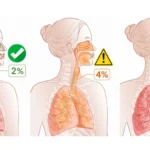




 The importance of hydrogen in the body - discover its health-promoting properties