




PM2.5 levels: What do they mean for health and air quality?
What do you find in the article?
What are PM2.5 particles, and how do they affect air quality?
PM2.5 particles, also known as particulate matter with a diameter of no more than 2.5 micrometers, are one of the key indicators used to assess air quality. They are small enough to pass through filtration systems, penetrating deep into the respiratory system and even entering the bloodstream. Their main sources are the burning of fossil fuels by cars, power plants, and industry, although natural processes such as forest fires and volcanic eruptions also contribute significantly.
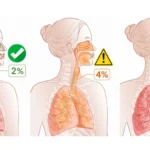
Presence PM2.5 in the atmosphere can lead to a range of negative health consequences, from respiratory and cardiovascular diseases to premature death. Long-term exposure to high PM2.5 level It is also associated with a decline in lung function and an increased risk of developing conditions such as asthma or chronic obstructive pulmonary disease.
In addition, high concentrations of these particles in the air can affect the environment, contributing to acid rain and reducing visibility. Monitoring and control PM2.5 levels It is therefore crucial not only for protecting public health, but also for maintaining ecological balance and the quality of life in the city.
The Impact of PM2.5 Inhalation on Health—Short- and Long-Term Effects
Molecules PM2.5, that is, fine particulate matter with a diameter of less than 2.5 micrometers, is the main component of air pollution that has a significant impact on public health. Inhaling these particles can lead to numerous health problems, both in the short and long term.
Short-term exposure to high PM2.5 level It can cause immediate physical reactions, such as irritation of the eyes, nose, and throat, coughing, short-term breathing difficulties, and a potential worsening of asthma symptoms. Particularly vulnerable groups, such as children, the elderly, and people with respiratory and cardiovascular diseases, may experience more severe symptoms.
Long-term exposure is associated with more serious and harder-to-reverse health effects, including an increased risk of heart disease, chronic respiratory diseases, and premature death from these conditions. Studies show that regular inhalation of air with high concentrations of PM2.5 may also contribute to the development of conditions such as type 2 diabetes, developmental disorders in children, and an increased risk of severe asthma exacerbations.
Protecting yourself from the negative effects of PM2.5 involves monitoring pollution levels and limiting the amount of time spent outdoors on days with high pollution levels. Using air filters in homes and workplaces can also help reduce exposure to harmful particles. Taking conscious steps to improve air quality, both individually and collectively, is crucial for protecting public health.
The Effect of Hydride Inhalation on Combating Negative Effects PM2.5 levels
Increasing air pollution, including rising PM2.5 level, can lead to numerous health problems, such as respiratory and cardiovascular diseases. In the context of the search for effective methods to minimize the impact of these pollutants on health, hydrogen inhalation technology offered by the Polish company Anev has emerged. Using an innovative device such as the Anev HPM-A2, it is possible to deliver pure hydrogen to the respiratory system, which offers numerous health benefits.
Hydrogen inhalation works primarily by neutralizing harmful free radicals, which accumulate in the body due to exposure to air pollution. Hydrogen has the ability to penetrate at the cellular level, allowing for the effective removal of these harmful molecules, which in turn can reduce the risk of developing many diseases. Additionally, regular hydrogen inhalation sessions can help alleviate inflammation and support cell regeneration, which is particularly important for people living in areas with high PM2.5 levels.
The technology developed by Anev focuses on safety and user comfort. The company’s hydrogen generators, such as the HPM-A2 model, hold European certifications that confirm their safety and effectiveness. This means that inhalation therapy can be safely administered both at home and in professional medical facilities. The use of this type of therapy can be an important component of preventive healthcare, especially in light of increasing chronic exposure to air pollution.
In summary, the hydrogen inhalation technology offered by Anev appears to be a promising method for helping the body neutralize the effects of air pollution, including harmful PM2.5 levels. This is a solution worth considering for those seeking modern and safe ways to protect their health in a polluted environment.
If you want to learn more click here: https://anev.com.pl/
Popular Posts
- FiH₂ Instead of ml/min – How to Administer Hydrogen Responsibly in a Clinic

- Responsible supplementation. Not every flow rate corresponds to the same dose—what is FiH₂ in hydrogen inhalation?.
- Hydrogen users: „My asthma has cleared up, and I’m sleeping through the night”
- Research Study at the University of Physical Education in Katowice: Take Part and Test Your Fitness!
- Project: Longevity – 1st Longevity & Anti-Aging Conference for Patients.




 Inhalacja wodoru na wrzody żołądka co mówią badania