




Does Hydrogen Help with Heart Arrhythmia? Facts and Research
What will you learn?
- What is currently known about the effectiveness of hydrogen in treating cardiac arrhythmias?
Currently, there is no strong clinical evidence that hydrogen inhalation treats cardiac arrhythmia. The available publications point to biological mechanisms and preliminary research findings rather than a confirmed therapeutic effect assessed based on the number of arrhythmia episodes or their duration.
- How might hydrogen theoretically affect heart rhythm disorders?
Hydrogen can theoretically affect cardiac arrhythmias indirectly by reducing oxidative stress, inflammation, and mitochondrial damage. This is significant because these very processes can disrupt the function of ion channels, the conduction of electrical impulses, and the electrical stability of the heart muscle.
- What did the HYBRID II study and other human studies on hydrogen and arrhythmias show?
Study HYBRID II After cardiac arrest, there were fewer episodes of arrhythmia in the hydrogen group, but the difference was not statistically significant, so it does not constitute proof of efficacy. Additionally, in the study crossover In healthy women, a single 60-minute inhalation session did not result in any significant changes in HRV, pulse, or reading LF/HF.
- In what situations does research on hydrogen in cardiology appear to be the most promising?
The most promising results pertain to acute cardiac conditions, particularly ischemia and reperfusion, rather than chronic, stable arrhythmias. In animal studies, hydrogen was associated with less myocardial damage, improved cardiac function, and improved markers of oxidative stress, which may secondarily reduce susceptibility to arrhythmias.
Does hydrogen help with cardiac arrhythmias? Current research suggests it may be effective, primarily by reducing oxidative stress and inflammation, but its efficacy in treating chronic arrhythmias has not yet been confirmed. We examine the facts, limitations, and practical implications.
What do you find in the article?
Does hydrogen help with arrhythmia? The short answer
If you're asking directly, Does hydrogen help with heart arrhythmia?, the answer is: As of today, there is no strong clinical evidence that hydrogen inhalation treats arrhythmia. No large randomized trials have been published in which patients with atrial fibrillation, ventricular tachycardia, or frequent ectopic beats were treated with hydrogen, and efficacy was assessed based on the number of episodes, their duration, or parameters such as AF burden.
On the other hand, the topic isn't entirely theoretical. There are rational biological grounds, which explain why hydrogen is attracting interest in cardiology. It mainly comes down to its potential impact on oxidative stress, inflammation, mitochondrial protection, and reduction of myocardial damage. This is important because these processes are often involved in the development and maintenance of arrhythmias.
What can be said with a high degree of certainty
The most certain conclusion is that Hydrogen is not currently recognized as a treatment for arrhythmia. The standard of care remains unchanged: the cause of arrhythmias is evaluated by a cardiologist, and treatment is based on ECG, Holter monitoring, echocardiography, pharmacotherapy, and sometimes cardioversion or ablation. Hydrogen can be considered, at most, as a topic for research or a potential general adjunct, but not as a first-line treatment.
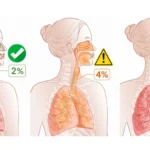
It could also be said that short-term exposure to low concentrations of hydrogen, most often around 2% H2, in previous studies, it did not show any clear proarrhythmic effects—that is, it did not suggest an increase in arrhythmias. However, this does not yet indicate therapeutic efficacy.
What We Still Don't Know
It is still unclear whether, For what type of arrhythmia Hydrogen might make the most sense. Different mechanisms underlie atrial fibrillation, others underlie isolated premature beats, and still others underlie post-infarction ventricular arrhythmias. We also don’t know what the optimal dose, inhalation time, frequency of sessions, and duration of the entire therapy.
There is also a lack of data on how hydrogen behaves in practice in patients who are simultaneously taking beta-blockers, amiodarone, flecainide, propafenone, sotalol, or anticoagulants. That is precisely why the answer to the question, Does hydrogen help with heart arrhythmia?, she needs to be careful today: This is a promising hypothesis, but the treatment has not yet been confirmed.
💡 ROS and the risk of arrhythmia: ROS can exacerbate conduction disorders and damage cardiomyocytes. Therefore, the antioxidant effect of hydrogen is biologically significant in this context.
How might hydrogen affect heart rhythm disorders?
The interest in hydrogen did not come out of nowhere. Preclinical studies and some clinical trials are examining several mechanisms that could theoretically reduce the environment conducive to arrhythmias. The goal is not to directly „shut down” the abnormal rhythm, but rather to influence the processes that increase the heart’s susceptibility to conduction disturbances.
Oxidative Stress, ROS, and Arrhythmia
ROS, or reactive oxygen species, are highly chemically active molecules that are produced, among other things, during ischemia, inflammation, and metabolic overload. In excess, they damage cell membranes, proteins, and genetic material. In the heart, this has specific consequences: it can disrupt the function of ion channels, impair impulse conduction, and increase the electrical instability of the heart muscle.
This is important because arrhythmias often occur precisely when heart muscle cells are operating under conditions of oxygen and metabolic overload. If an intervention reduces oxidative stress, it could theoretically lower the risk of arrhythmias secondary to tissue damage. Studies on hydrogen have repeatedly described its effects on markers of oxidative damage, which explains why the topic also comes up in the context of arrhythmias.
This does not necessarily mean, however, that the antioxidant effect alone will automatically lead to fewer episodes of arrhythmia. In clinical practice, it’s not just biochemistry that matters, but also the type of underlying disease, the degree of myocardial fibrosis, electrolyte balance, thyroid function, blood pressure, sleep, and medications being taken.
Inflammation, IL-6, TNF-α, and NLRP3
The second important area is inflammation. In patients with heart disease, elevated levels of inflammatory mediators often coexist with impaired endothelial function, tissue remodeling, and a greater susceptibility to arrhythmias. Cytokines such as the following are particularly often discussed in this context: IL-6 i TNF-α. These are signaling proteins that drive the inflammatory response and may indirectly affect the electrical and structural remodeling of the heart.
The literature on hydrogen also addresses the topic of NLRP3 inflammasome. It is an intracellular „sensor” that triggers an inflammatory cascade. Its excessive activation is sometimes associated with tissue damage and the intensification of processes that may underlie arrhythmias. If hydrogen reduces NLRP3 activation in experimental models, this is a signal worth noting, albeit still indirect.
For you, the practical takeaway is simple: Hydrogen does not act like a classic antiarrhythmic drug, but it may potentially influence the biological environment in which arrhythmia develops more easily. This is a fundamental difference, because it explains why the results of mechanistic studies may look promising, yet still do not provide a basis for announcing a therapeutic breakthrough.
Mitochondria, Cardiac Energy Metabolism, and Myocardial Damage
Mitochondria can be simplified as mobile power plants. In the heart, their role is critical, because the heart muscle works continuously and has an enormous energy demand. When mitochondria are damaged, the cell’s energy management is impaired, oxidative stress increases, and dysfunction of cell membranes and ion channels becomes more likely.
In experimental studies, hydrogen has been linked to mitochondrial protection and improved function of cardiomyocytes, or heart muscle cells. If myocardial damage following ischemia is reduced, the likelihood of unstable electrical areas forming also decreases. This is particularly important in acute conditions, when arrhythmia results from recent tissue damage.
That is precisely why the greatest biological significance today is not found in chronic, stable arrhythmias, but in situations where the following are present: ischemia, reperfusion, inflammation, and cell damage. This immediately explains why the strongest evidence comes from animal studies and from patients who have suffered severe cardiovascular events, rather than from atrial fibrillation clinics.
Human Studies: What We Know and What We Still Don't Know
If you want to assess the actual clinical value, you have to set the mechanisms aside and look at human studies. Here, the picture is much more subdued. A review on hydrogen therapy covered approximately 81 clinical trials and 64 publications involving human subjects. That's a lot of material, but at the same time There is no large-scale study in which arrhythmia was the primary endpoint.
In other words: we have data on short-term safety, we have certain biological indicators, we have isolated observations in severe clinical conditions, but we still don’t have an answer to the most important practical question. Does hydrogen reduce the number of arrhythmia episodes, their severity, or the risk of recurrence in a patient who struggles with arrhythmias on a daily basis? This has not been confirmed as of today.
HYBRID II after cardiac arrest
The study most frequently cited in this context is HYBRID II, that is, a trial evaluating the inhalation of a gas containing approximately 2% of hydrogen in patients who have experienced sudden cardiac arrest. This is important because, following such an episode, the body experiences severe oxidative stress, hypoxia, and subsequent reperfusion injury. These are the conditions under which the potential protective effects of hydrogen can best be biologically justified.
In this study, the following was observed in the group receiving hydrogen: fewer episodes of arrhythmia than in the control group. The problem is that The difference was not statistically significant. This is a very important distinction. Such a result may be an initial indication, but not proof of effectiveness. In practice, this means that the observation could have resulted from either a real effect or chance.
In addition, it is important to remember that a patient who has experienced cardiac arrest is not the same as a person with chronic atrial fibrillation or recurrent premature beats. Outcomes from intensive care should not be automatically applied to stable outpatient cardiology.
A crossover study in healthy women
An interesting supplement is a randomized, double-blind study crossover in healthy women. This design means that the same participant receives different interventions in succession, making it easier to minimize the impact of interindividual variability. In this case, a single, A 60-minute molecular hydrogen inhalation session.
The result was quite sobering for those expecting a rapid effect on the heart's autonomic regulation. No significant changes in HRV were observed, that is, variations in the sinus rhythm, the heart rate did not change significantly, as well as No significant effect on the LF/HF ratio was observed, often used as an approximate marker of the sympathetic-parasympathetic balance. Only a slight drop in oxygen saturation.
This is important information for the interpretation. If hydrogen had a strong, rapid, and direct antiarrhythmic effect via the autonomic nervous system, one would expect to see noticeable changes in at least some of these parameters. That did not happen. This is yet another argument that Does hydrogen help with heart arrhythmia? There is currently no conclusive answer based on human studies.
The biggest gap: a lack of studies in patients with chronic arrhythmia
The biggest problem isn't that the results are negative. The problem is that There are practically no relevant studies. No large clinical trials were found in which patients with chronic atrial fibrillation, ventricular tachycardia, paroxysmal SVT, or a high number of ventricular extrasystoles were monitored for the efficacy of hydrogen inhalation.
Data is missing for endpoints such as:
- the number of arrhythmia episodes per day or per week,
- duration of atrial fibrillation episodes,
- changes in AF burden during long-term monitoring,
- number of ventricular depolarizations recorded on a 24–72-hour Holter monitor,
- effects on hospitalizations, fainting episodes, and exercise tolerance.
Without such data, it is difficult to speak of a therapy with proven effectiveness. Therefore, the fair conclusion is that Does hydrogen help with heart arrhythmia? It remains an open question, not a settled one.
⚠️ This is not proof of treatment: There is a lack of large RCTs in patients with AF, PVCs, or VT. The HYBRID II results are only preliminary, as the difference in the number of arrhythmias was not statistically significant.
Animal studies: greatest potential in acute heart injury
The strongest evidence regarding hydrogen in cardiology comes from preclinical studies, particularly from models ischemia and reperfusion. This is a situation in which blood flow to the heart muscle is first restricted and then restored. Paradoxically, the restoration of blood flow itself can also exacerbate the damage due to a sudden increase in oxidative stress and inflammation.
This is precisely where hydrogen proves to be the most interesting. In animal models, the effect observed was not so much on chronic arrhythmia as a disease in its own right, but rather reduction in the severity of acute heart damage, which may in turn reduce the incidence of arrhythmias. This is an important distinction because it shows where the greatest potential lies today.
Ischemia-reperfusion model
In rat models of ischemia and reperfusion, hydrogen inhalation was associated with several beneficial effects. It has been reported that a smaller infarct size, smaller no-reflow area, that is, a section of tissue to which blood does not flow properly despite the vessel having been cleared, as well as improved heart function after the incident. These aren't just minor differences; they're parameters that accurately reflect the extent of muscle damage in experiments.
If the tissue is less damaged, there is usually less necrosis, less edema, fewer areas of conduction instability, and a lower risk of electrical disturbances secondary to a recent injury. Therefore, animal studies support a plausible hypothesis: hydrogen may be more effective at protecting the heart from conditions that trigger arrhythmias than at treating arrhythmia itself, understood as a chronic condition.
Which markers showed improvement in preclinical studies?
Preclinical studies focused not only on cardiac function but also on biochemical markers. A decrease was frequently reported 8-OHdG, a marker of oxidative DNA damage, and malondialdehyde, which is a marker of lipid peroxidation. Simply put, these results suggest less cellular damage caused by free radicals.
On top of that, there was mitochondrial protection and reduced activation of inflammatory pathways, including NLRP3. Together, this paints a coherent picture: less oxidative stress, less inflammation, improved cellular energy metabolism, and less muscle damage. However, this evidence is still primarily based on laboratory studies and animal models.
That is precisely why these results should not be overinterpreted. Animal studies are necessary, but they are no substitute for well-designed clinical trials. In practice, many interventions that worked very well in experimental models later yielded modest or no benefits in humans.
✅ Ask about ingredients and certifications: The publications most frequently examined approximately 2% H2. Check the type of gas mixture, concentration control, safety certificates, and gas quality.
Safety, Dosages, and Practical Limitations
Even if you're considering hydrogen solely as a supplement, it's worth taking a practical approach to the topic. In research, it's not just the effects themselves that matter, but also gas concentration, inhalation time, method of administration, and device quality. Without this, it's easy to compare things that aren't equivalent at all.
Most Common Concentrations and Inhalation Duration
In the available publications, the concentration most commonly reported is approximately 2% H2 in a mixture with oxygen. This is not a random number, but a parameter used in specific research protocols. The inhalation time varied widely: from 60 minutes In short-term experiments involving healthy individuals, up to approximately 18 hours in studies involving patients who have experienced cardiac arrest.
For this reason, it is impossible to honestly identify a single „home” regimen with proven effectiveness for arrhythmia. We simply do not know enough about whether shorter, regular exposure or longer sessions are more effective, or how often they should be repeated to achieve any significant biological effect.
Does every type of inhalation comply with the study protocols?
No. This is a very important point. Studies typically focus on specific clinical conditions, a specific mixture composition, and controlled administration parameters. However, devices available on the market can produce different types of gas, different concentrations, and different flow rates. This means that results cannot be applied 1:1 from publications to every piece of equipment.
If you're interested in security, you might want to check out, among other things:
- Exactly what kind of gas does the device produce,
- Is the concentration measured and stable,
- What are the electrical safety and compatibility certifications,
- Are there any gas quality assessments available,
- Does the manufacturer provide actual performance specifications rather than general marketing claims?.
If the device has certifications such as LVD i EMC, and since the quality of the gas was assessed by the relevant authorities, this can be considered a plus in terms of safety. However, this is not the same as confirmation of its effectiveness in treating arrhythmias.
Drug interactions and lack of long-term data
The biggest unknown concerns long-term use. There is no reliable data on the effects of regular inhalation over a period of several months or years in people with heart disease. Nor is there sufficient information regarding interactions with antiarrhythmic drugs, beta-blockers, ACE inhibitors, aldosterone antagonists, or anticoagulants.
In practice, this means that if you have been diagnosed with an arrhythmia, you should not change your treatment on your own or use inhalation therapy as an alternative to medication. This applies especially to high-risk situations, such as after a heart attack, in cases of heart failure, fainting, an implanted ICD, or episodes of ventricular tachycardia.
How to Use Hydrogen Inhalation Wisely for Arrhythmia
The most sensible approach is simple: if you're interested in, Does hydrogen help with heart arrhythmia?, treat it solely as potential support, rather than as a treatment in place of a cardiologist's recommendations. This perspective is most consistent with the current state of knowledge.
Hydrogen as a complementary treatment, not a substitute for medical treatment
The treatment of arrhythmias continues to be based on methods whose effectiveness has been confirmed: pharmacotherapy, heart rate control, rhythm control, cardioversion, ablation, and treatment of the underlying disease. In cases of atrial fibrillation, assessing the risk of stroke and deciding on anticoagulation are also crucial. No inhalation therapy can replace these clinical decisions.
Hydrogen can be considered, at most, a supportive element—especially if you’re looking for antioxidant and anti-inflammatory effects. But even then, only a systematic approach makes sense: first, a diagnosis; then, standard treatment; and only later, any complementary methods that do not interfere with the primary therapy.
What to Ask Your Cardiologist and Device Provider
Before you decide to undergo inhalation therapy, be sure to prepare a list of questions. First and foremost, you should ask your cardiologist about, What type of arrhythmia do you have?, what its main risk factors are, and whether the most significant issue in your case involves conduction, post-infarction scarring, heart failure, electrolyte imbalances, or the autonomic nervous system. This will help you realistically assess whether any metabolic support is warranted.
It's a good idea to ask the device supplier about technical issues and safety:
- What is the exact composition of the gas and the declared hydrogen concentration?
- Are the parameters stable and controlled during operation?
- Does the device have safety certifications, such as LVD and EMC?
- Are there any independent assessments of gas quality available?
- Does the manufacturer clearly distinguish between safety issues and claims regarding clinical efficacy?
If a device has documented specifications, certifications, and gas quality assessments, this increases confidence in the inhalation process itself. However, it is still important to keep things in perspective: A safe device does not necessarily mean a proven treatment for arrhythmia. As of today, that's the most honest way to put it.
Frequently Asked Questions
The most important conclusion is simple: hydrogen has interesting biological foundations and some preliminary research findings, but There is currently no evidence that it is an effective treatment for cardiac arrhythmias. If you are considering inhalation therapy, approach it with caution, viewing it as a potential adjunct, and always weigh this decision against standard cardiac care.
Learn more - Click here: https://anev.com.pl/
Popular Posts
- FiH₂ Instead of ml/min – How to Administer Hydrogen Responsibly in a Clinic

- Responsible supplementation. Not every flow rate corresponds to the same dose—what is FiH₂ in hydrogen inhalation?.
- Hydrogen users: „My asthma has cleared up, and I’m sleeping through the night”
- Research Study at the University of Physical Education in Katowice: Take Part and Test Your Fitness!
- Project: Longevity – 1st Longevity & Anti-Aging Conference for Patients.




 Does hydrogen help with anti-aging? What You Should Know