




pm2 5 concentration: what it means for health and air quality
What do you find in the article?
What are PM2.5 particles - the basics of understanding pollution
PM2.5 is a term that refers to airborne particles no larger than 2.5 micrometers in diameter. Their small size means that they can penetrate deep into the respiratory system and even enter the bloodstream, making them particularly hazardous to health. They are a product of fuel combustion in automobiles, power plants and industrial processes, and are also formed naturally during forest fires or volcanic eruptions.
Air pollution by particles PM2.5 is monitored around the world because it poses a serious threat. To assess air quality, various standards and indicators are used to determine acceptable concentrations of these particles. For example, the World Health Organization (WHO) sets guidelines to help protect human health from the effects of poor air quality.
In many large cities, such as Delhi, Beijing and Krakow, the problem of air pollution PM2.5 is particularly serious, especially during winter periods, when heating use increases. Measurement results often exceed international standards, which becomes the cause of numerous smog alerts. As a preventive measure, some cities introduce restrictions on vehicle traffic or special emission reduction programs.
Awareness of influence PM2.5 concentrations on health is increasing, which translates into measures to reduce these particles in the air. These are key to improving the quality of life of residents and protecting the environment.
Effects of PM2.5 concentrations on human health - what you should know
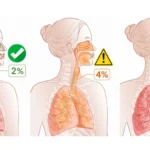
PM2.5 concentration plays a significant role in air quality assessment and affects human health. PM2.5 particles (less than 2.5 micrometers in diameter) are small enough to penetrate deep into the respiratory system. Prolonged exposure to high PM2.5 concentration is associated with a variety of health problems, ranging from respiratory diseases such as asthma, chronic bronchitis or exacerbation of lung disease symptoms.
It is not only the lungs that are exposed to these particles. PM2.5 also has bad effects on the cardiovascular system, leading to an increased risk of heart disease, including heart attacks and hypertension. Long-term exposure to polluted air also contributes to the development of diabetes and metabolic syndrome.
Studies also show a link between high PM2.5 concentrations and nervous system problems - there is an increased risk of neurodegenerative diseases such as Alzheimer's and Parkinson's. Additionally, PM2.5 concentration can affect cognitive function, leading to decreased concentration and memory abilities.
Particularly vulnerable to the negative health effects of high concentrations of PM2.5 are children, the elderly, pregnant women, and people with chronic heart and lung diseases. Protecting these population groups from the negative effects of polluted air is crucial to preserving their health and quality of life.
Although the fight against air pollution requires large-scale action, both individual and institutional approaches to air quality monitoring can make a significant contribution to improving health and reducing the negative impacts of PM2.5. It is also worth mentioning that modern technologies such as hydrogen inhalation offered by the ANEV, can support the body in the fight against the negative effects of pollution and contribute to better health.
How can technology and innovation help in the fight against smog?
Combating smog and its effects requires the use of effective technologies. Modern innovations make it possible not only to reduce emissions of harmful substances, but also to protect people's health from the adverse effects of polluted air. Solutions such as advanced air filtration systems in public transportation vehicles and in office buildings and apartments are just the beginning of the possibilities offered by modern technology.
The effectiveness of the fight against smog also depends on the precision of its monitoring. Modern measuring stations and mobile applications allow for real-time tracking of PM2.5 concentrations, which allows faster response when pollution levels rise. Observation of trends and analysis of the collected data help to determine the most effective methods of reducing pollution and to educate the public about the impact of smog on health.
Medical innovations also play an important role in protecting health from the negative effects of smog. The company anev.com.pl, a Polish manufacturer of specialized hydrogen generators, proposes the use of hydrogen inhalation as a method to support the body in neutralizing free radicals that are generated under the influence of polluted air. Inhalations of this type help improve overall health, support heart function and accelerate skin regeneration, which is important especially in areas with high concentrations of PM2.5.
The development of air quality monitoring technologies allows for greater public awareness and contributes to efforts to improve air quality. An example is the integration of measuring stations with mobile apps that inform users about current pollution levels. Such knowledge motivates the use of solutions such as apps that predict the best routes to walk or drive in a city, minimizing exposure to smog. Collaboration between the technology and medical sectors, represented by companies like anev.com.pl, opens up new perspectives in health and environmental protection.
Learn more - Click here: https://anev.com.pl/
Popular Posts
- FiH₂ zamiast ml/min – jak odpowiedzialnie dawkować wodór w gabinecie

- Odpowiedzialna suplementacja. Nie każdy przepływ to ta sama dawka – czym jest FiH₂ w inhalacji wodorem.
- Praktycy wodoru: „Astma odpuściła, przesypiam noce”
- Research Study at the University of Physical Education in Katowice: Take Part and Test Your Fitness!
- Projekt: Długowieczność – I Konferencja Longevity & Anti-Aging dla pacjentów.




 Czy terapia wodorowa pomaga na duszność? fakty i zastosowanie